
10 Warning Signs Your Water Heater May Be Failing

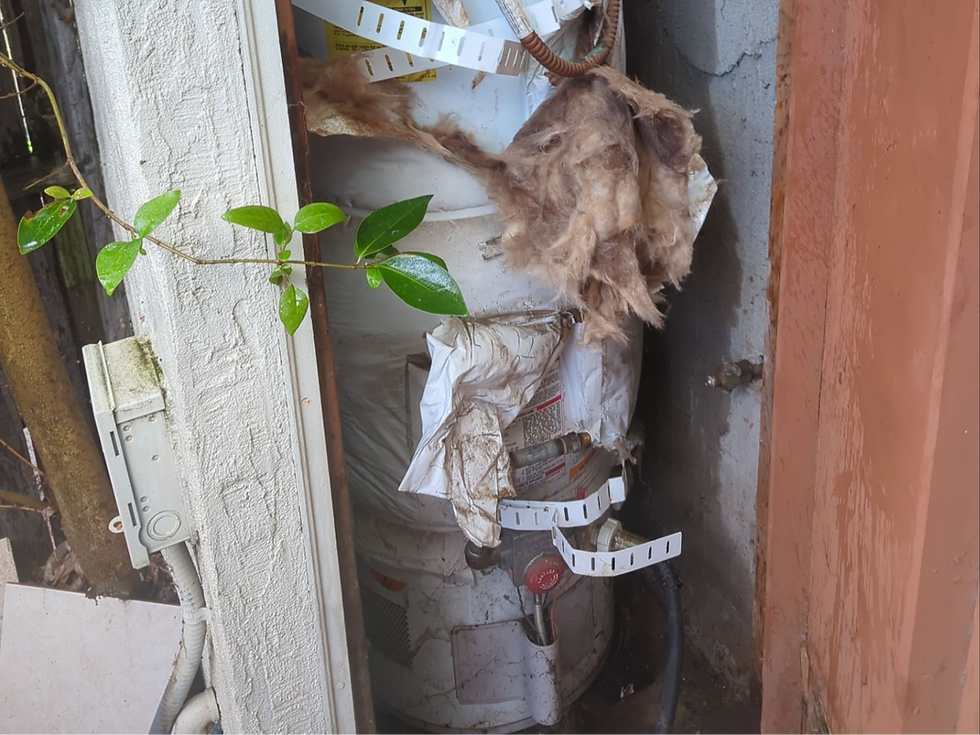
Most water heaters don’t fail overnight.
In many homes around West Sacramento and the greater Sacramento area, there are usually early warning signs that show up before a major issue happens.
We’ve seen many situations where the first sign was small and easy to miss, and over time it turned into a much bigger problem.
The challenge is that most homeowners don’t recognize those early signs until it’s too late.
Here are 10 of the most common warning signs we see in the field that may indicate your water heater is starting to fail.
1. Your Water Isn’t Getting Fully Hot
If your hot water isn’t quite as hot as it used to be, or you’re running out faster than normal, that’s often one of the first signs something is changing.
We see this a lot. Homeowners start turning the temperature up more and more just to compensate.
This could be related to:
Sediment buildup inside the tank
A failing heating element (electric units)
General wear as the unit ages
2. You Notice a Leak (Top vs Bottom Matters)
Any water around your unit should be taken seriously.
Leaks from the top (connections or fittings) may be repairable
Leaks from the bottom are often a sign the tank itself is failing
Even a small drip can turn into a much bigger issue if left alone.
3. Rusty or Discolored Hot Water
If you’re seeing brown or rusty water, where it’s coming from matters.
Hot water only may indicate internal tank corrosion
Hot and cold water may be related to your home’s piping
This is one of those signs that needs a little diagnosis before jumping to conclusions.
4. You Hear Popping or Rumbling Sounds
Water heaters aren’t supposed to be noisy.
If you’re hearing popping, cracking, or rumbling sounds, it’s often due to sediment buildup hardening at the bottom of the tank. This can cause the unit to overheat in spots and work less efficiently over time.
5. Your Water Heater Is Getting Older
Most traditional tank water heaters last around 8 to 12 years, depending on water quality and maintenance.
Most people don’t realize their water heater has a manufacture date printed right on it.
Take a quick look at the label on the side of your unit. It’s usually a sticker or metal plate with the model and serial number.
In many cases, that serial number includes the manufacture date. If it’s not obvious, you can look it up online using the brand and serial number.
If you’re not sure what you’re looking at, you can always take a quick photo of the label and have someone take a look at it for you.
Knowing the age of your unit is one of the biggest factors in understanding how much life it may have left.
6. There’s Water Around the Base (Even Without a Visible Leak)
Sometimes there’s no obvious drip, just a damp ring or small amount of water around the base.
This can be:
Early-stage tank failure
Condensation
A slow leak that hasn’t fully developed
Either way, it’s worth paying attention to.
7. Your Water Temperature Keeps Fluctuating
If your water is going from hot to cold and back again, especially throughout the house, that may point to an issue with the water heater.
If it’s happening at only one fixture, it’s more likely a localized plumbing issue instead.
8. The Pressure Relief Valve Is Dripping
That small pipe coming off your water heater is connected to a safety device called the pressure relief valve.
If you notice water dripping from it, it could mean:
Excess pressure
Overheating
A failing valve
This should be evaluated to determine the cause.
9. Gas Units: You Notice Combustion or Ignition Issues
If you have a gas water heater and notice a delayed ignition, a “whoomp” sound, or anything unusual when the burner kicks on, that can indicate a combustion issue.
This is different from normal tank noises and is more related to how the unit is burning gas.
This type of issue should be addressed promptly for safety reasons.
10. Your Utility Bills Are Creeping Up
This one is more subtle.
As water heaters age or develop sediment buildup, they often become less efficient. That means they have to work harder and run longer to heat the same amount of water.
It’s not always the main cause, but it can be part of the bigger picture.
Water Heater Maintenance Considerations
Routine maintenance, like flushing the tank, can help extend the life of your water heater.
However, there’s an important detail many people don’t realize: If a water heater has gone years without maintenance, performing a flush later in its life can sometimes cause issues by disturbing built-up sediment.
This is something we typically evaluate case-by-case based on the age and condition of the unit.
If you are installing a new water heater, that’s the best time to start a consistent maintenance routine. Annual maintenance can help improve performance and extend the life of the system over time.
Repair vs. Replacement (What Makes Sense?)
In some situations, a repair is straightforward and makes sense.
In others, depending on the age and condition of the unit, a repair may only be a short-term solution.
This isn’t a one-size-fits-all answer. It really comes down to the specific situation and what’s going to make the most sense long-term.
At McCray & Sons Home Services, we look at each situation individually and walk homeowners through their options.
Quick Self-Check (Take 60 Seconds)
Take a quick look at your water heater right now:
Do you see any water around the base?
Have you noticed changes in how hot your water gets?
Is your unit making unusual noises?
How old is it (check the label)?
If you answered yes to any of these, it may be worth taking a closer look before a bigger issue develops.